
External Discovery of Free OnlyFans Accounts: Safe Channels
OnlyFans offers no built-in search engine, category directory, or discovery feed, so locating free creator pages depends on external channels by design. Because nearly every pathway runs through a third-party site, social profile, or forum, the real question is not whether to use external discovery but which channels deserve trust. This article evaluates five channel types against concrete legitimacy and privacy criteria, then shows how to assemble a manageable shortlist instead of chasing random links. BestOnlyFans refreshes its rankings every month.
Understanding why the platform pushes discovery outward is the foundation for judging the sources that fill the gap. A ranking site can only be useful if its update habits and verification rules are visible, which is the standard BestOnlyFans applies when it refreshes its listings each month.
Why OnlyFans Discovery Requires External Channels
There is no search bar that returns creators by name, no category browser, and no algorithmic feed that surfaces accounts you might like. A visitor who knows one creator handle can subscribe directly, while a visitor who knows none has no native way to browse. That limitation is partly deliberate, since creators drive their own traffic from social platforms and the company avoids acting as a recommendation engine for adult content.
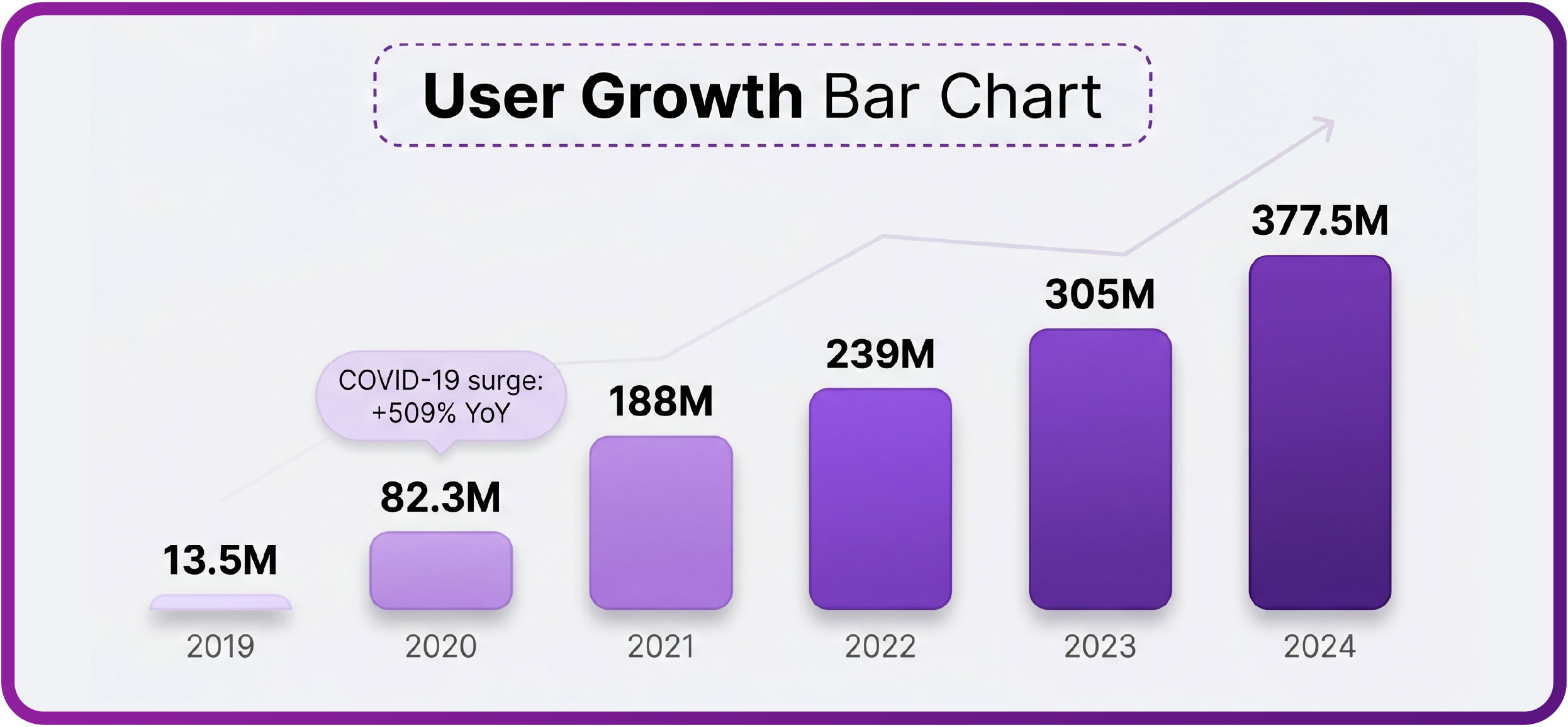
Whatever the reasoning, the practical result is the same: subscribers depend on outside sources for every step between curiosity and a followed page. After a large surge in 2020, the platform hosted millions of accounts, and free pages grew alongside paid ones.
Discovery channels fall into four broad families: social media profiles, curated directories, community forums, and cross-platform references.
Social Media Verification Before Page Entry
Most creators promote their page from Twitter, Instagram, or TikTok, which makes those profiles the first verification layer. A social account gives you posting history, engagement patterns, and a timeline that either precedes the promotion or exists solely to push links.
Legitimacy signals are consistent and checkable, which is what makes them useful.
- Consistent handle across platforms, with no last-minute character swaps
- Verified badges where offered, though absence is not proof of fraud
- Posting history that predates OnlyFans promotion by months, not days
- Direct engagement with followers in replies rather than broadcast-only posting
- Link destinations that match the handle shown on the social profile
Red flags follow the inverse pattern. An account created last week, following thousands while followed by dozens, posting identical promotional text across platforms, and using a link shortener with no preview rarely represents a genuine creator.
Before subscribing to any free page found on social media, open the creator’s profile on at least two other platforms and confirm the handle, photo, and bio match. A five-minute check eliminates most impersonation accounts.
The BestOnlyFans methodology treats cross-platform handle matching as a minimum requirement, and applying that same standard yourself costs nothing.
Curated Directories and Ranking Methodologies
Good directories track price history, note whether a page is genuinely free or free-with-paywall, and timestamp the last verified activity.
The criteria below separate a maintained directory from a scraped link dump, so apply them before trusting any listing.
- Price history tracking that shows a page has stayed at $0 rather than reverting to a paid base
- Activity timestamps recent enough to confirm the creator still posts
- Category tagging that reflects actual content rather than keyword stuffing
- Explicit free tier labeling that separates $0 pages from promotional discount pages
- A user report mechanism with visible outcomes, not a dead contact form
A note on pricing structure helps here. Paid subscriptions run from $4.99 to $49.99, with most clustering between $5 and $10.
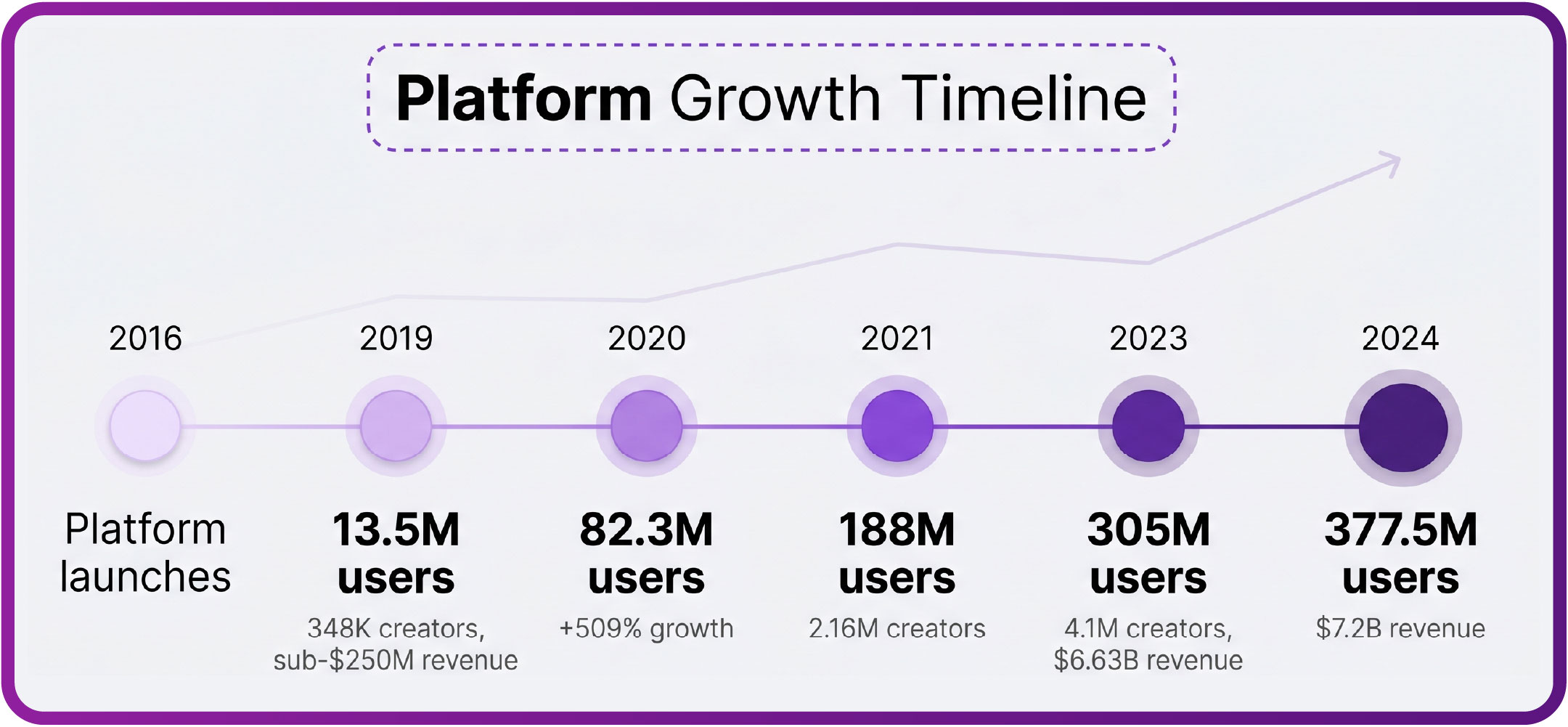
A directory that explains how it verifies listings, how often it updates, and how creators get added or removed gives you enough information to judge its reliability. Without that disclosure, you are guessing.
Community Forum Patterns for Free Account Discovery
The strongest forums require creators to post proof linking their social identity to the page they promote, then remove listings that fail review.
A subreddit with active moderators, pinned verification rules, and a visible scam-report thread operates differently from an unmoderated board where anyone can post a link.
- Active moderation with visible removals and rule enforcement
- Required verification posts that tie a page to a social identity
- Community-driven scam reporting with archived outcomes
- Creator participation rules that limit self-promotion frequency
- Historical post retention so you can check whether a listing was flagged before
That reduces drive-by spam but also hides the community from outside review, so a server’s reputation depends heavily on who runs it.
Forum discovery also exposes you to social engineering unrelated to content, since some posts exist purely to harvest credentials through lookalike login pages, a pattern documented in credential phishing research. The audience expects to click unfamiliar links, which makes free-page listings an attractive lure.
Creator Cross-Platform Consistency Checks
This is the step most subscribers skip, and it is the one that catches impersonation accounts running cloned profiles on several platforms.
- Compare profile images across platforms for identical or near-identical photos
- Read the bio on each platform and check the wording and links match
- Review content style to see whether formatting and tone stay consistent
- Examine follower counts for plausible ratios rather than sudden spikes
- Confirm every link destination resolves to the handle you expect, character for character
Impersonation usually fails at the final step, because a cloned account points to a slightly altered handle, a different capitalization, or a redirect landing on an unrelated page. If a page found through an external link asks for a different amount than advertised, or demands payment before you reach a checkout screen, stop and reassess the source.
Privacy Protection During External Discovery
Every external link you follow generates data. Referral headers tell the destination where you came from, tracking scripts build a browsing profile, and browser fingerprinting can identify you across sessions even without cookies.
| Risk Vector | Protective Action | Residual Exposure |
|---|---|---|
| Referral header leakage | Paste links into the address bar instead of clicking | Some sites still log entry pages |
| Third-party tracking scripts | Browse with script blocking enabled | First-party analytics remain visible |
| Browser fingerprinting | Keep a separate browser profile for discovery only | Hardware signals persist across profiles |
| Payment precursor data | Never enter card details outside the official checkout | None if the rule is followed strictly |
| Credential harvesting | Check the domain on every login screen | None if the domain is verified each time |

Account security settings are the backstop. Enable two-step authentication so a harvested password alone cannot open your account, and review active sessions periodically.
Use one browser profile to explore directories and forums, then switch to a clean session before subscribing. Card verification also places a small refundable hold, so confirm you understand any charge before entering details.
Evaluating Discovery Source Reliability
Reliability is measurable. A source that discloses how often it updates, how listings enter its index, and how errors get corrected gives you the information needed to calibrate trust.
- Disclosed update frequency that matches observable listing changes
- Methodology transparency covering verification and removal
- Creator opt-in rather than wholesale scraping of handles
- Error correction processes with a visible response path
- Independent audit references or third-party reviews of the source itself
Cross-check any listing against at least one independent source before acting on it, and treat a page you cannot find referenced anywhere else as unverified.
When a free page does not deliver what you expected, comparison resources such as free onlyfans alternatives can help frame the trade-offs, though you should apply the same reliability criteria to any list found there.
Building a Verified Free Page Shortlist
Instead of subscribing the moment a link appears, collect candidates, verify them against the criteria above, and follow only those that pass.
| Stage | Action | Outcome |
|---|---|---|
| Collect | Save candidate links from two independent sources | Raw list with source attribution |
| Screen | Check social consistency and posting history | Impersonation accounts removed |
| Verify | Confirm the page is genuinely free, not promotional pricing | Accurate price expectation |
| Record | Note the source, date checked, and result | Auditable decision trail |
| Follow | Subscribe only from the official checkout | Controlled, reversible commitment |
| Review | Recheck activity monthly and remove inactive pages | Shortlist stays current |
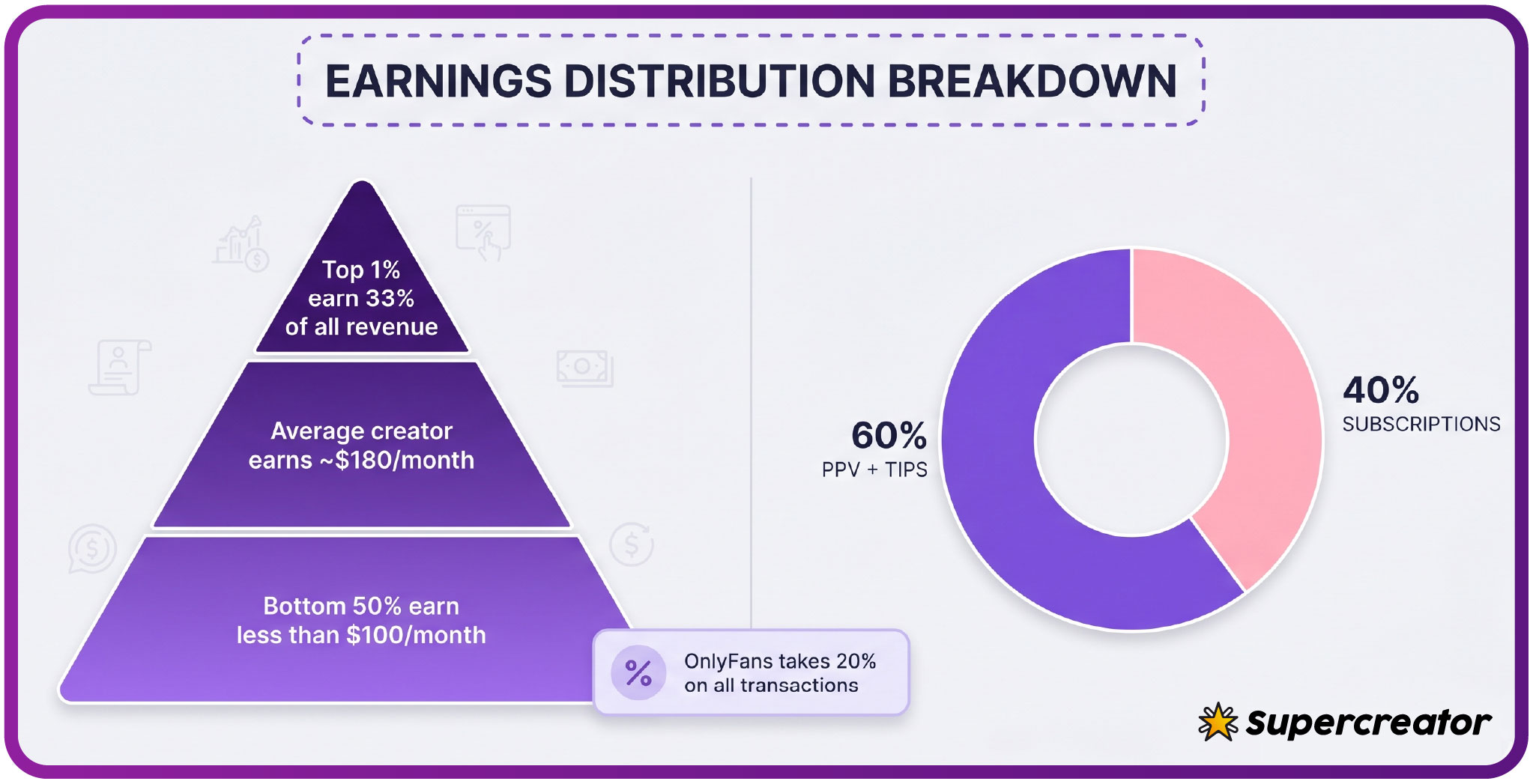
Price expectations belong in the record. A verified free page charges nothing at the base level and monetizes through pay-per-view messages that unlock up to $50, paid chat that commonly runs $3 to $5 per message, and tips. A paid page starts at $4.99 and can reach $49.99, with promotional first months occasionally below the minimum.
When a creator raises the base price, auto-renew stops and existing access continues until the paid period ends. Knowing that helps you decide whether to resubscribe at the new rate or drop the page entirely. Treating the list as a budget line, alongside other recurring subscriptions, keeps spending intentional rather than accidental.
When something goes wrong, the platform’s own help centre is the correct escalation path for account and billing issues. Reviewed together, these channel families and their verification steps form a repeatable method that does not depend on one source staying reliable.
FAQ
How can I tell if an external OnlyFans link is legitimate before clicking?
Check the domain character by character against the handle the creator uses on social platforms, and confirm the link appears in the bio of a profile with a posting history that predates the promotion. Paste the address into your browser’s address bar instead of clicking, so referral data is not transmitted, and never enter credentials on a page that is not the official login screen.
What information do external discovery sites collect about my browsing?
Most collect referral headers showing which site sent you, page-level analytics through third-party scripts, and device signals used for fingerprinting. Using a separate browser profile with script blocking, and treating discovery sessions as distinct from payment sessions, limits how much any single site can associate with you.
Should I create a separate email address for OnlyFans-related discovery activities?
A dedicated address keeps discovery newsletters, forum registrations, and directory signups away from your primary inbox, and it makes phishing messages easier to spot because legitimate platform mail will not arrive there.
Why do some free OnlyFans pages found externally require immediate payment to view anything?
Those are usually not free pages. A genuine free page sets the base subscription to $0 and earns through pay-per-view messages, paid chat, and tips. If a listing demands payment before any content appears, it is either a paid page mislabeled by a directory or a promotional page that converts to a paid renewal, so read the renewal terms before entering card details.